4200+ Free Eye Surgery
Restoring Vision, Changing Lives
Pritha Health Care is committed to eliminating preventable blindness in underserved communities. Through our comprehensive eye care initiatives, we have successfully facilitated thousands of free cataract surgeries for those who cannot afford medical care.
Our dedicated team works tirelessly to ensure that every patient receives the best possible treatment. We handle everything from the initial screening to the post-operative care, ensuring a smooth and safe recovery.
Available Surgeries
* These surgeries are available at Oracle Eye Hospital, Moradabad. The decision on which free surgery a patient receives is made by the consulting doctor after a thorough examination.
Cataract (incl. microincision)
A cataract is a clouding of the normally clear lens of the eye, which can make vision blurry, hazy, or less colorful. We facilitate safe removal of cataracts using advanced microincision techniques, aiming to restore clear vision.
Common signs
- •Cloudy or blurry vision
- •Fading or yellowing of colors
- •Sensitivity to light and glare
- •Poor night vision
How it is treated
- ›A comprehensive eye examination to confirm the diagnosis.
- ›Surgical removal of the clouded lens.
- ›Replacement with an artificial intraocular lens (IOL).
Aftercare tips
- ✓Use prescribed eye drops regularly.
- ✓Avoid rubbing or pressing on the eye.
- ✓Wear a protective shield while sleeping if advised.
- ✓Attend follow-up checkups to monitor healing.
* This is general information and not medical advice. Consult a doctor for proper diagnosis.
Back to topRetina / Vitreoretinal
The retina is the light-sensitive layer of tissue at the back of the inner eye. Vitreoretinal surgeries address conditions affecting the retina and the vitreous fluid, helping to prevent permanent vision loss from diseases like diabetic retinopathy or retinal detachment.
Common signs
- •Sudden appearance of floaters or flashes of light
- •A shadow or curtain over a portion of your visual field
- •Blurred or distorted central vision
How it is treated
- ›Detailed retinal imaging and evaluation.
- ›Laser therapy or surgical intervention (like vitrectomy) depending on the condition.
- ›Careful monitoring of the retina post-procedure.
Aftercare tips
- ✓Strictly follow positioning instructions if given by the doctor.
- ✓Avoid strenuous activities and heavy lifting.
- ✓Use all prescribed medications to prevent infection and reduce inflammation.
* This is general information and not medical advice. Consult a doctor for proper diagnosis.
Back to topGlaucoma
Glaucoma is a group of eye conditions that damage the optic nerve, often due to abnormally high pressure in the eye. While the damage cannot be reversed, treatments and surgeries aim to lower eye pressure and prevent further vision loss.
Common signs
- •Often no early symptoms (in open-angle glaucoma)
- •Gradual loss of peripheral vision
- •Severe eye pain or headache (in acute angle-closure glaucoma)
How it is treated
- ›Routine pressure checks and optic nerve evaluation.
- ›Prescription eye drops to lower intraocular pressure.
- ›Laser treatment or filtering surgery if medications are insufficient.
Aftercare tips
- ✓Continue using prescribed eye drops exactly as directed.
- ✓Keep all follow-up appointments to monitor eye pressure.
- ✓Report any sudden changes in vision or severe pain immediately.
* This is general information and not medical advice. Consult a doctor for proper diagnosis.
Back to topCornea
The cornea is the eye's clear, protective outer layer. Corneal diseases or injuries can cause scarring or swelling, leading to severe vision impairment. Treatments range from medication to corneal transplantation to restore clarity.
Common signs
- •Eye pain, redness, or tearing
- •Extreme sensitivity to light
- •Blurred or hazy vision
- •A feeling that something is in the eye
How it is treated
- ›Diagnosis of the specific corneal condition or infection.
- ›Medical management using specialized eye drops.
- ›Surgical procedures, including partial or full corneal transplants if necessary.
Aftercare tips
- ✓Protect the eye from injury by wearing glasses or a shield.
- ✓Avoid swimming or getting water directly in the eye.
- ✓Use steroid or antibiotic drops as prescribed to prevent rejection or infection.
* This is general information and not medical advice. Consult a doctor for proper diagnosis.
Back to topPediatric eye care
Children can experience a range of eye problems, from refractive errors to squints (strabismus) or pediatric cataracts. Early detection and specialized care are crucial to ensure proper visual development and prevent long-term issues like lazy eye (amblyopia).
Common signs
- •Frequent eye rubbing or blinking
- •Squinting or closing one eye to see
- •Wandering eyes or eyes that do not align
- •Holding reading materials very close to the face
How it is treated
- ›Child-friendly vision screening and assessment.
- ›Prescription of glasses or patching therapy.
- ›Surgical correction for conditions like strabismus or congenital cataracts.
Aftercare tips
- ✓Ensure the child wears prescribed glasses or eye patches.
- ✓Keep the eye clean and administer prescribed drops.
- ✓Attend regular pediatric follow-ups to track visual development.
* This is general information and not medical advice. Consult a doctor for proper diagnosis.
Back to topLaser eye correction
Refractive errors like nearsightedness, farsightedness, and astigmatism can often be corrected with laser procedures. These precision treatments reshape the cornea, reducing or eliminating the need for glasses or contact lenses.
Common signs
- •Difficulty seeing objects clearly at a distance or up close
- •Eyestrain or headaches after visual tasks
- •Dependence on glasses or contact lenses for daily activities
How it is treated
- ›Comprehensive mapping of the cornea to determine suitability.
- ›Precision laser reshaping of the corneal tissue.
- ›Immediate post-procedure evaluation.
Aftercare tips
- ✓Rest with eyes closed for a few hours immediately after the procedure.
- ✓Use lubricating and medicated eye drops as prescribed.
- ✓Avoid rubbing the eyes and swimming for a few weeks.
* This is general information and not medical advice. Consult a doctor for proper diagnosis.
Back to topWhat You Get
- ✓Free comprehensive eye screening
- ✓Cataract detection
- ✓Complete surgical procedure
- ✓Post-surgery medication
- ✓Follow-up checkups
How It Works
- Screening: We conduct preliminary eye tests at our camps.
- Identification: Patients needing surgery are identified.
- Surgery: The procedure is performed by expert surgeons.
- Recovery: Patients are monitored post-surgery.
Who Can Benefit
Open to all individuals suffering from vision impairment who require financial assistance for treatment.
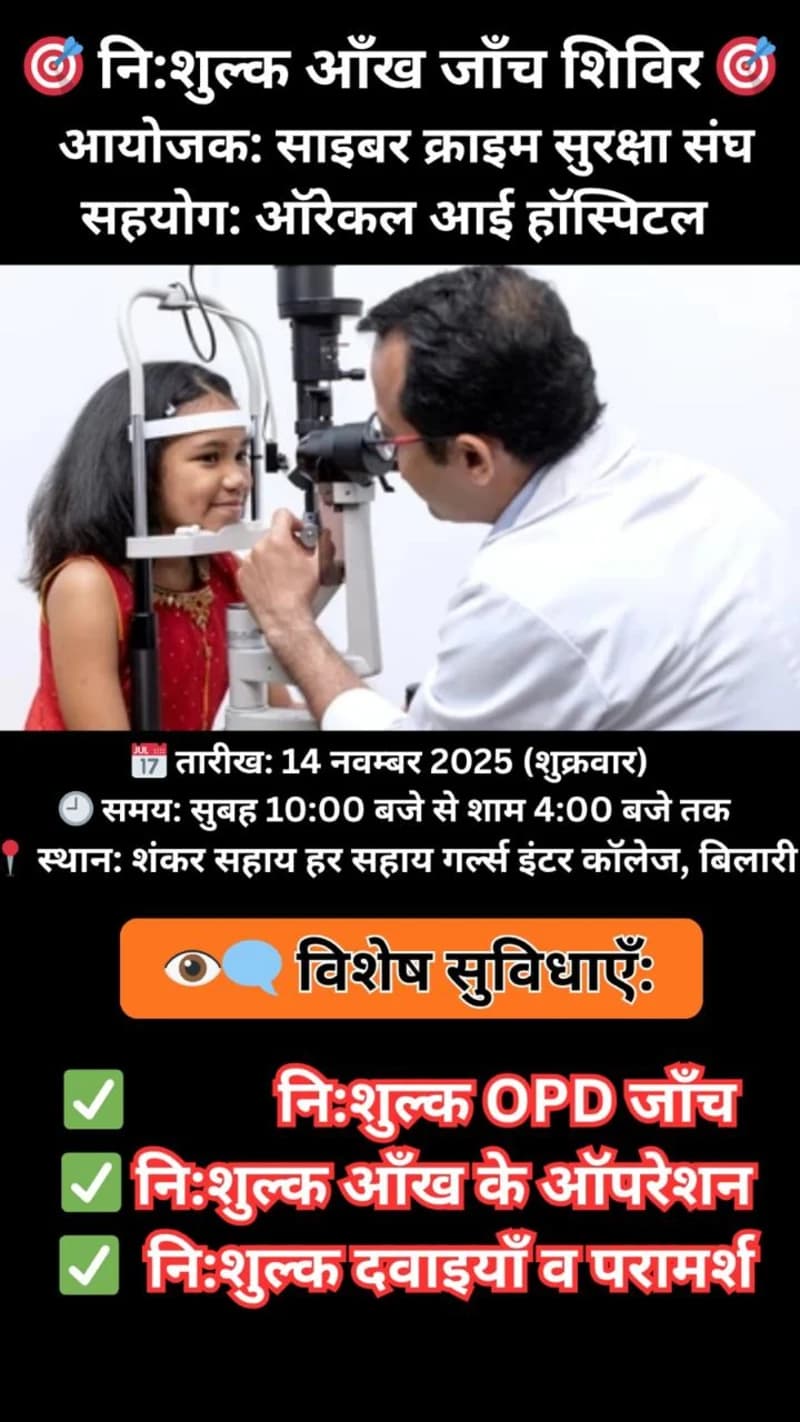
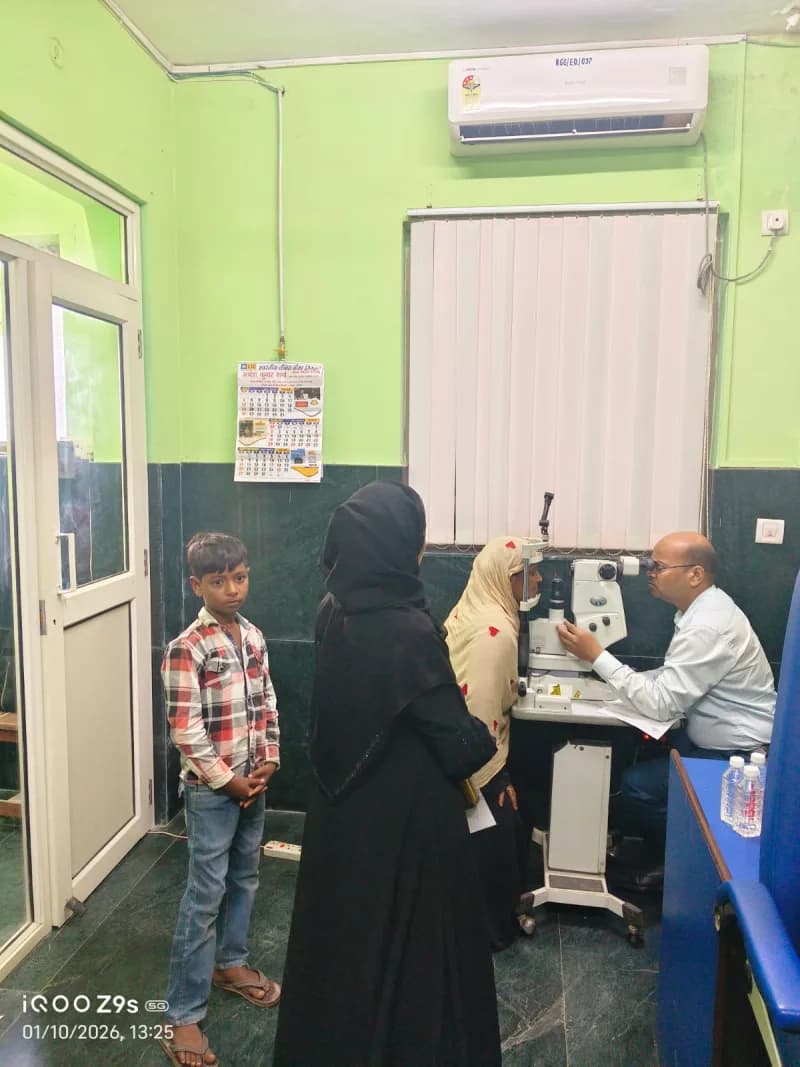
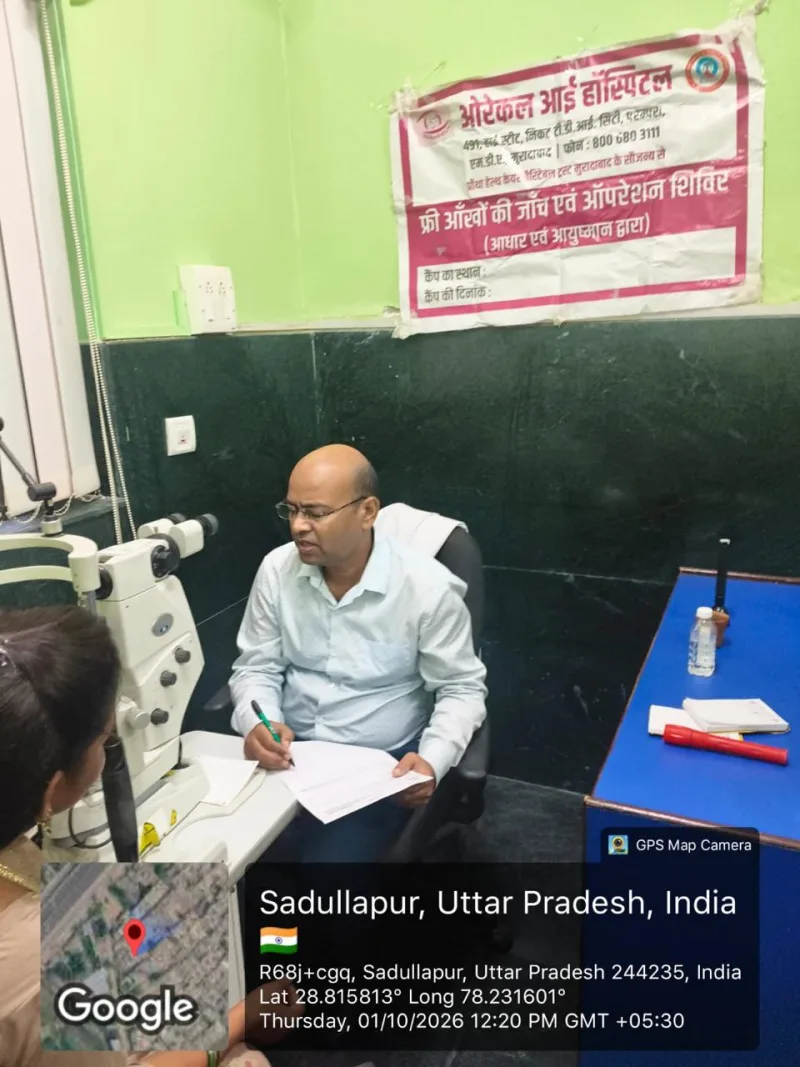
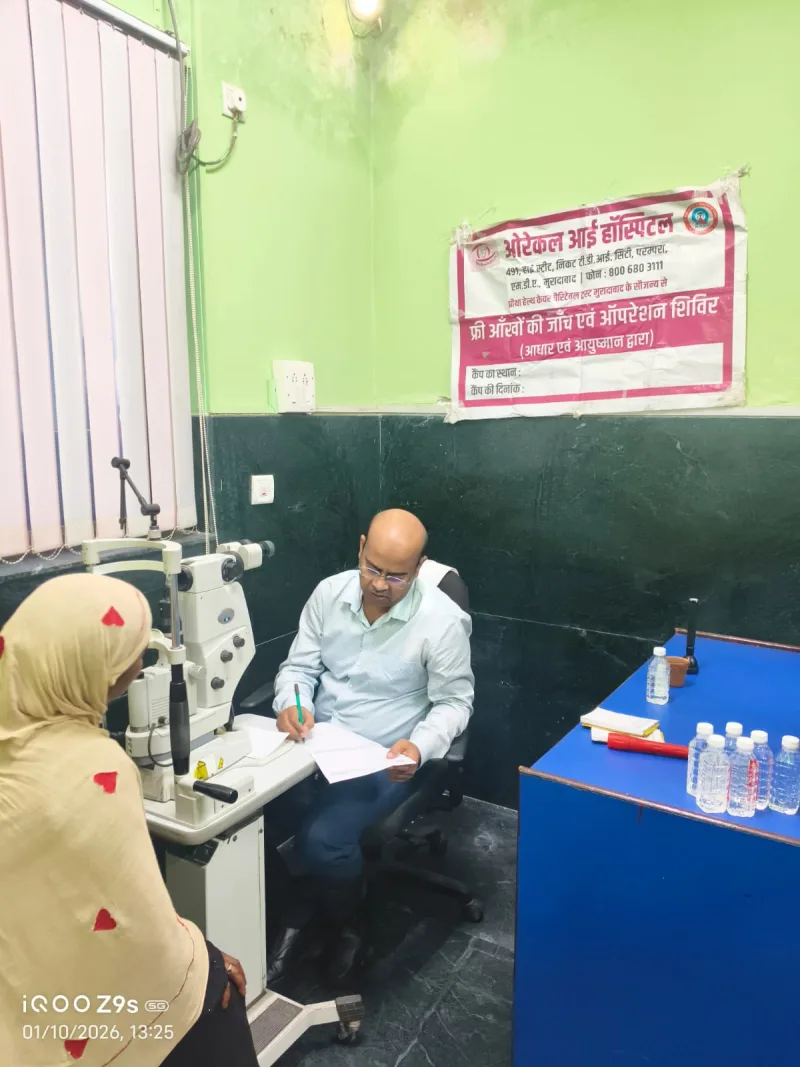
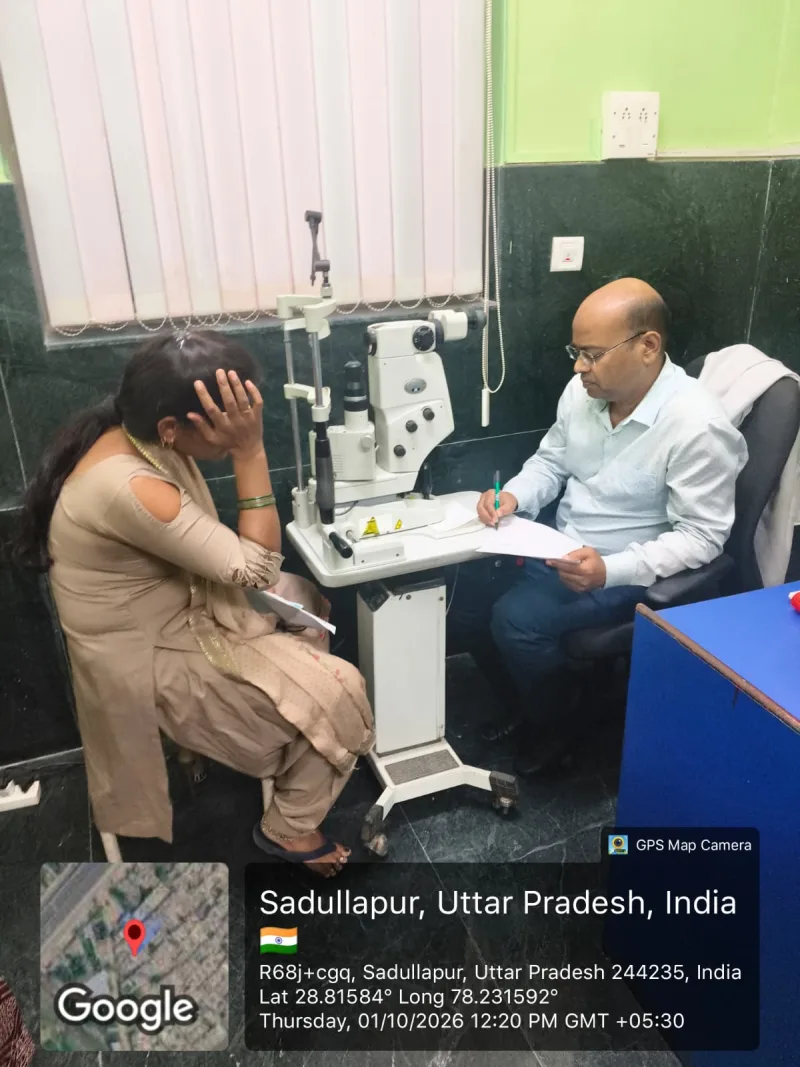
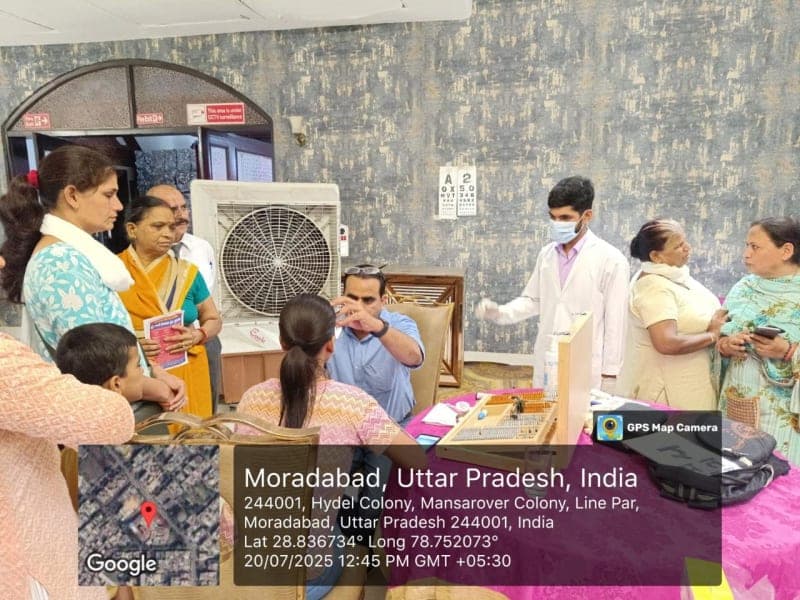
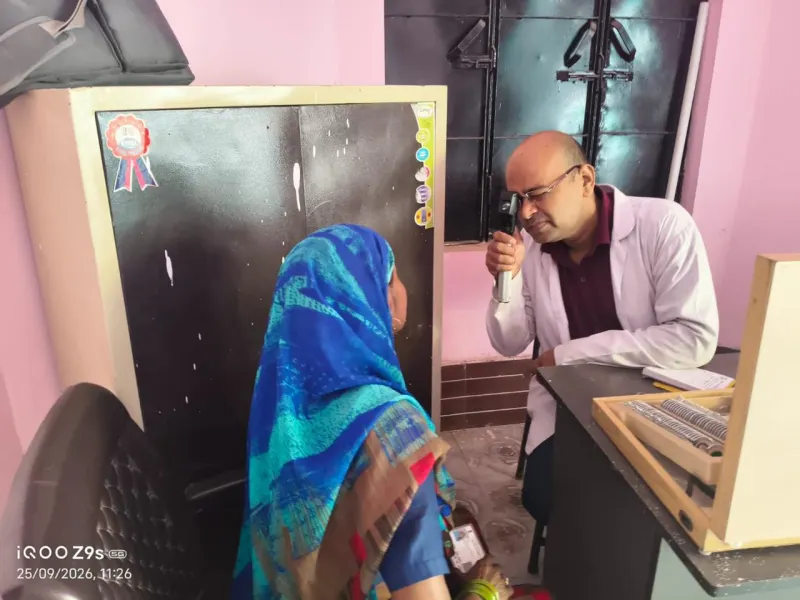
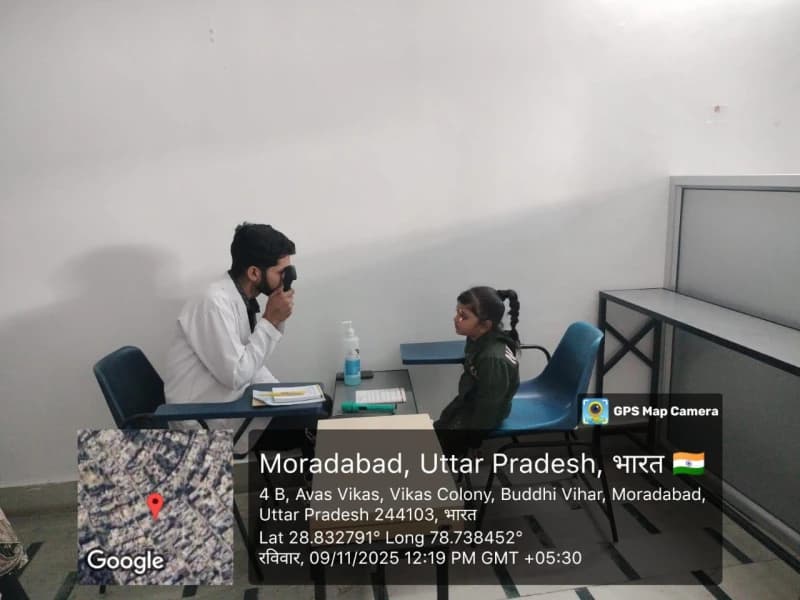
Photos from Our Eye Surgeries
Moments of care, restoration, and surgical interventions conducted in partnership with Oracle Eye Hospital.
Frequently Asked Questions
Are there any hidden costs?+
No, the entire process from screening to surgery and medication is free.
How long is the recovery?+
Most patients recover within a few weeks with proper care and medication.